

Narrative fashion begins with a simple idea: a garment is never “just fabric.” It’s a story you wear. Every seam, every choice of material, every line holds a meaning — you just need to know where to look.
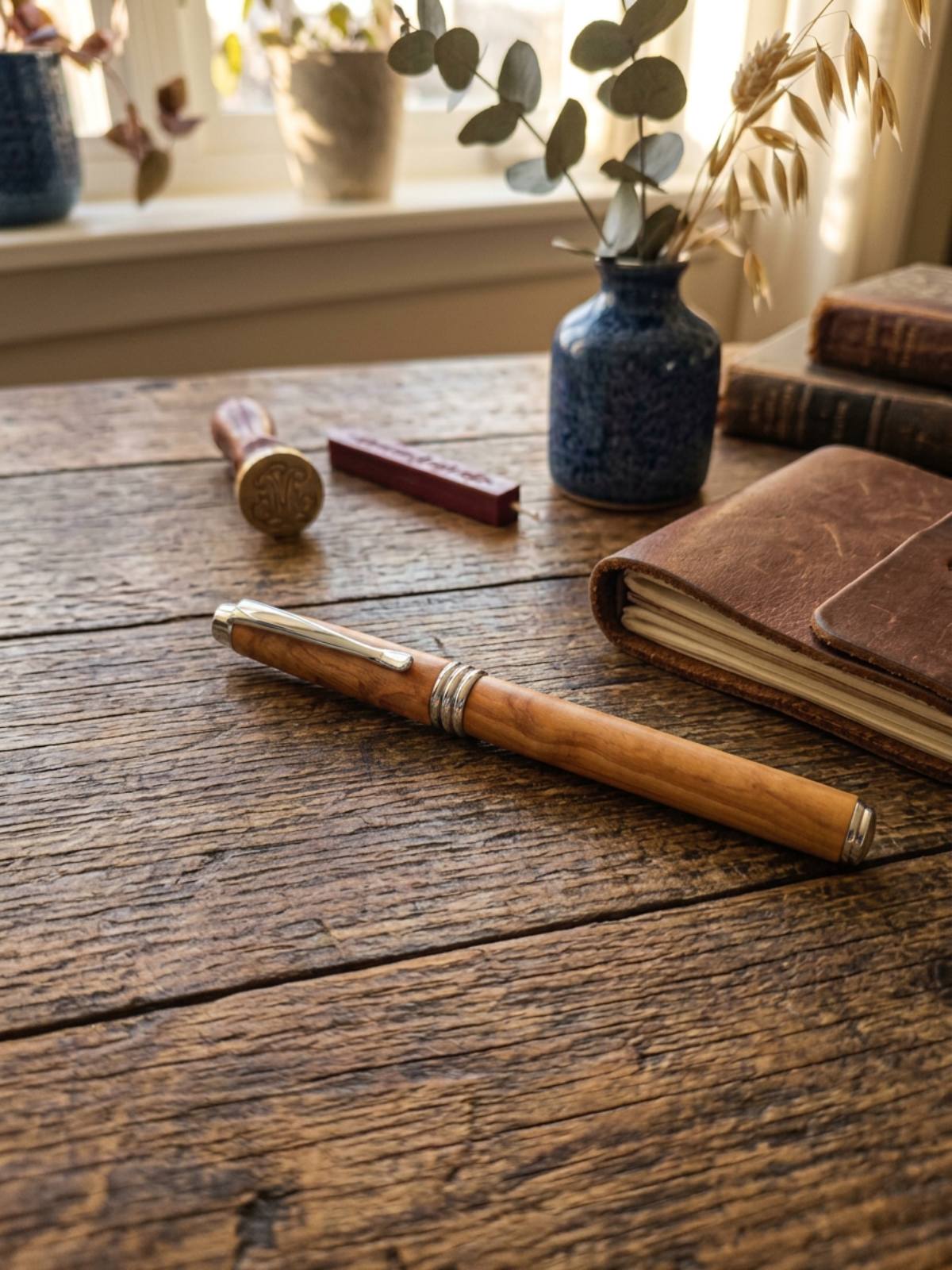
Narrative fashion means that a garment, or any object, isn’t designed only for its function or its aesthetics — it’s designed to carry a story. At GRAMMA, this isn’t only about clothing: a cup isn’t just clay, a pen isn’t just olive wood. Every object is a story you hold, wear, or use.
The term has become popular in recent years, though it’s often used as an empty marketing slogan — a pretty label placed on a product with no real story behind it. True narrative fashion is the opposite: the story comes first, the object is built around it, not the other way around.
The semiotician Roland Barthes, in The Fashion System, was among the first to systematically analyze this idea: a garment is always a carrier of meaning, a system of signs to be “read.”
Barthes distinguished three forms of the garment. The real garment — the physical object worn on the body. The image-garment — as depicted in a photograph or advertisement. And the written garment — as described in words, for instance in a product description. These three don’t always tell the same story, and that matters: when you read about a GRAMMA garment, see it in a photograph, and finally wear it, we want all three to agree.
Every garment, Barthes also said, splits into two parts, much like a word:
When you wear a GRAMMA garment, you’re not wearing only the signifier — you’re wearing the signified too: the story of the Chapter it comes from.
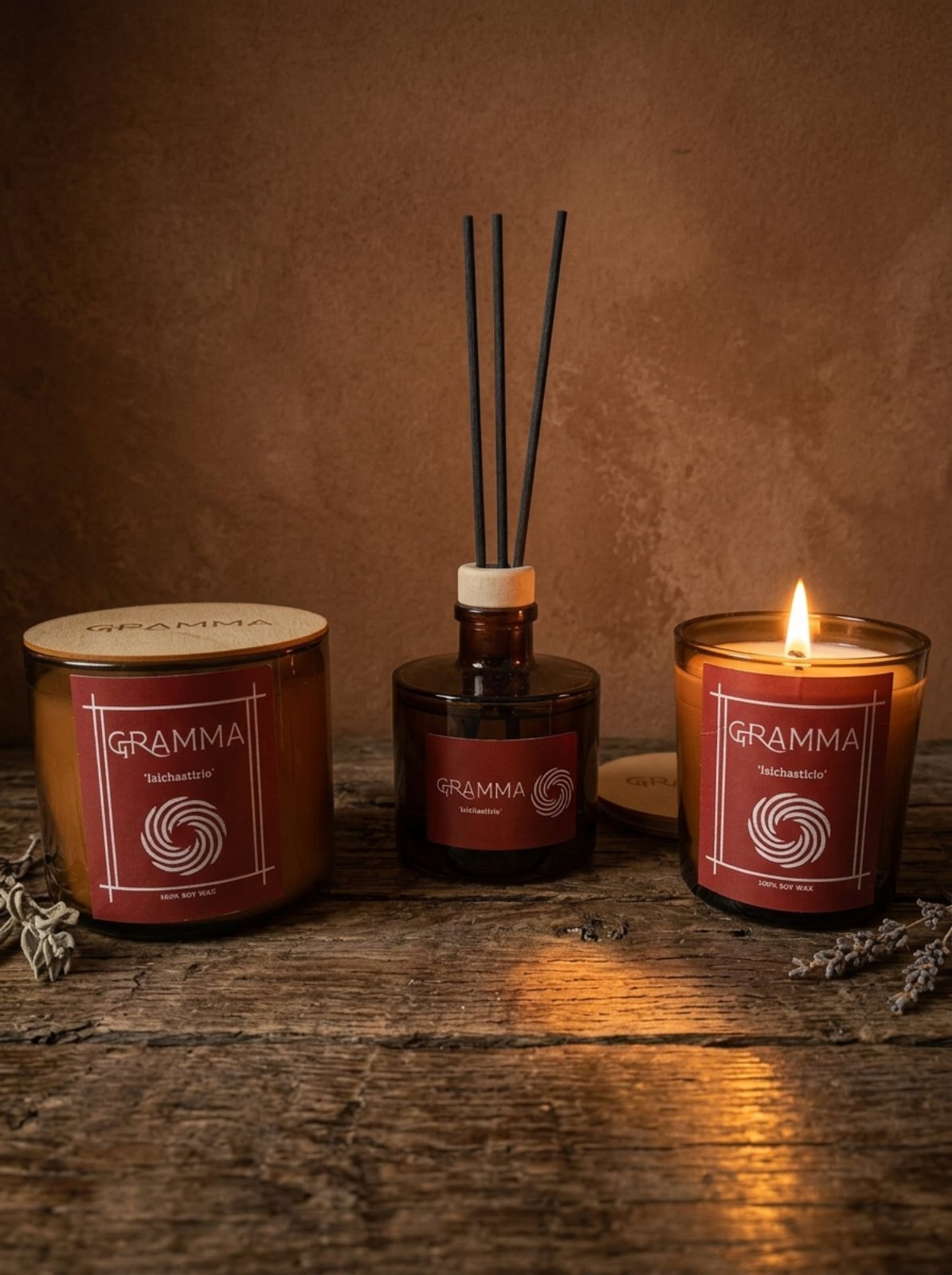
At GRAMMA, each collection is called a Chapter, precisely because it has its own narrative. Isichastirio narrates the story of inner stillness — garments that flow without interruption, like a second skin. Arpedoni narrates the story of geometry, inspired by the ancient “Harpedonaptai,” who stretched ropes to mark precise lines in architecture.
The same logic continues in every object, not only in clothing. Our ceramics aren’t just vessels — they’re part of a ritual. The blown glass borrows the artisan’s own breath. The jewelry carries the story of the Chapter it comes from.
Narrative fashion isn’t something you simply observe — it’s something you live. When you’re seeking stillness, you don’t just put on a dress; you consciously choose something from Isichastirio, knowing it’s linen and rayon, knowing why it was woven that way. When you want to ground yourself, you don’t just drink tea; you drink it from a cup with its own story, knowing which Chapter it came from.
This small, everyday habit — knowing what you’re holding and why — may be the simplest way to live narrative fashion, requiring nothing more than attention.
There’s a deep psychological difference between wearing something and making a statement by wearing it. In 2012, psychologists Hajo Adam and Adam Galinsky showed something related: when two groups wore the exact same white coat, but one was told it was a doctor’s coat and the other a painter’s coat, those who believed they were wearing a doctor’s coat performed with noticeably better attention on the tests that followed. The exact same coat — a different outcome, simply because they knew what they were wearing.
This is, for us, the essence of narrative fashion: knowing an object’s origin turns a simple gesture into a statement, into a ritual. It isn’t the same to wear something because someone gave it to you without knowing why, and to consciously choose something you know where it comes from and what it means.
GRAMMA’s narrative fashion doesn’t stay only in fabric — it has already taken the form of the written word too.
The Maze is our first book, a manual of introspection — an invitation to see your cracks not as flaws, but as the golden veins that tell your story.
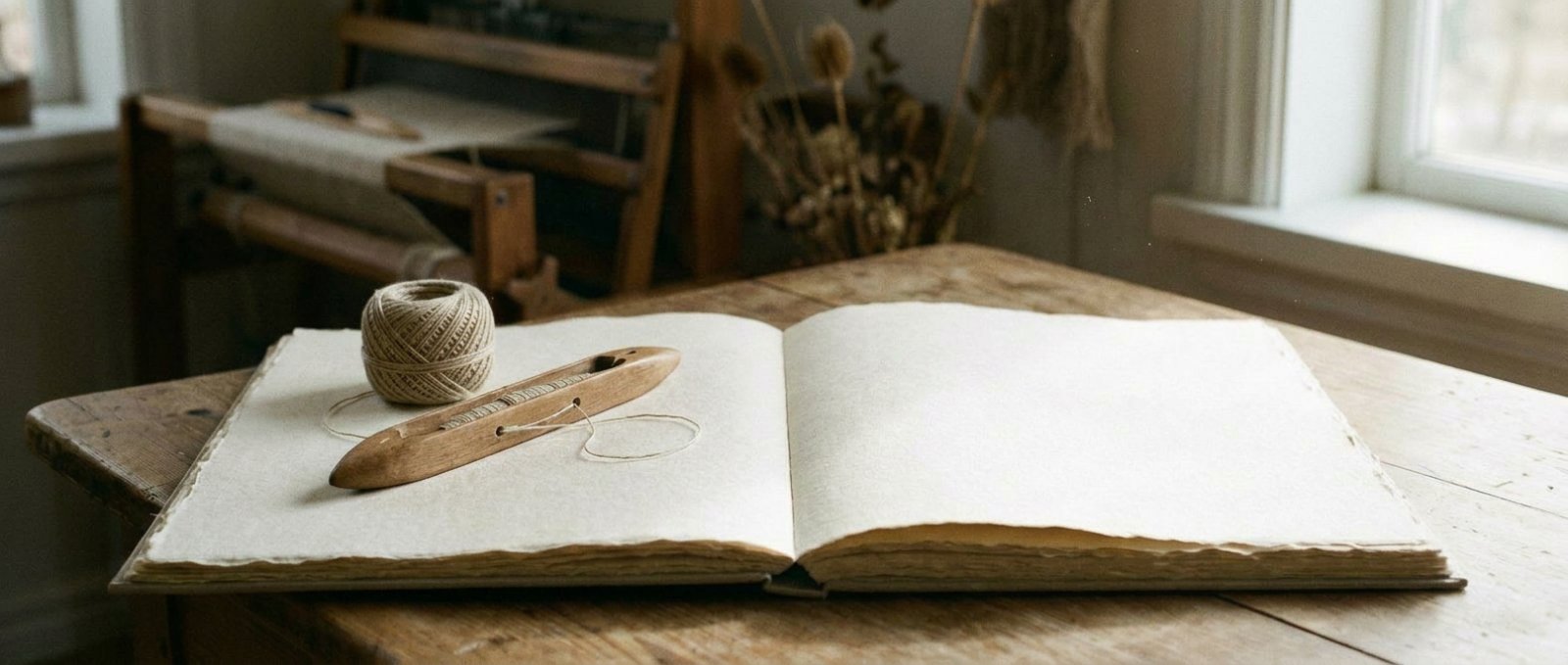
The Thread and the Center is our second, more personal little book — printed simply on thick paper, hand-bound with twine. It isn’t sold; it’s made to be read. You’ll find it at our store in Pagondas, around the square, the fountain, the kafeneio, or at our partner boutiques — to read there, or to borrow and return.
Two books, two different ways of saying the same thing: that a true narrative doesn’t always need fabric to be worn.
What is narrative fashion?
It’s the idea that a garment and every object isn’t just material, but a carrier of a story — something you hold or wear with meaning.
How does GRAMMA apply narrative fashion?
Through its Chapters — each collection has its own narrative, like Isichastirio (inner stillness) and Arpedoni (geometry).
What’s the difference between narrative fashion and ordinary marketing?
In marketing, the story is often added afterward, to help sell the product. In narrative fashion, the story comes first — the object is created around it, not the reverse.
Why does it matter to know the story of a garment?
Because knowing its origin changes your relationship with the object — from simple consumption to a conscious, meaningful choice.
Are there GRAMMA books?
Yes — The Maze, available for purchase, and The Thread and the Center, a handmade little book that’s read or borrowed at our store in Pagondas and at partner boutiques.