

Many people talk about Slow Fashion today. Few actually practice it. It’s easy to print it on a label; it’s hard to genuinely change how you produce, how much time you take, what it costs. At GRAMMA, Slow Fashion isn’t a marketing word — it’s the very structure of our production.
Slow Fashion isn’t just a marketing term — it’s a stance toward clothing and time. It means making less, slowly, with respect for the materials and the hands that work them, instead of mass-producing quickly, only to be replaced within months.
Fast fashion is built on speed: new collections every few weeks, low cost, quick consumption, and even quicker disposal. Slow Fashion reverses this logic. It doesn’t ask “how fast?” but “how well?” — how well the material was chosen, how well the garment was made, how long it will last and stay with you.
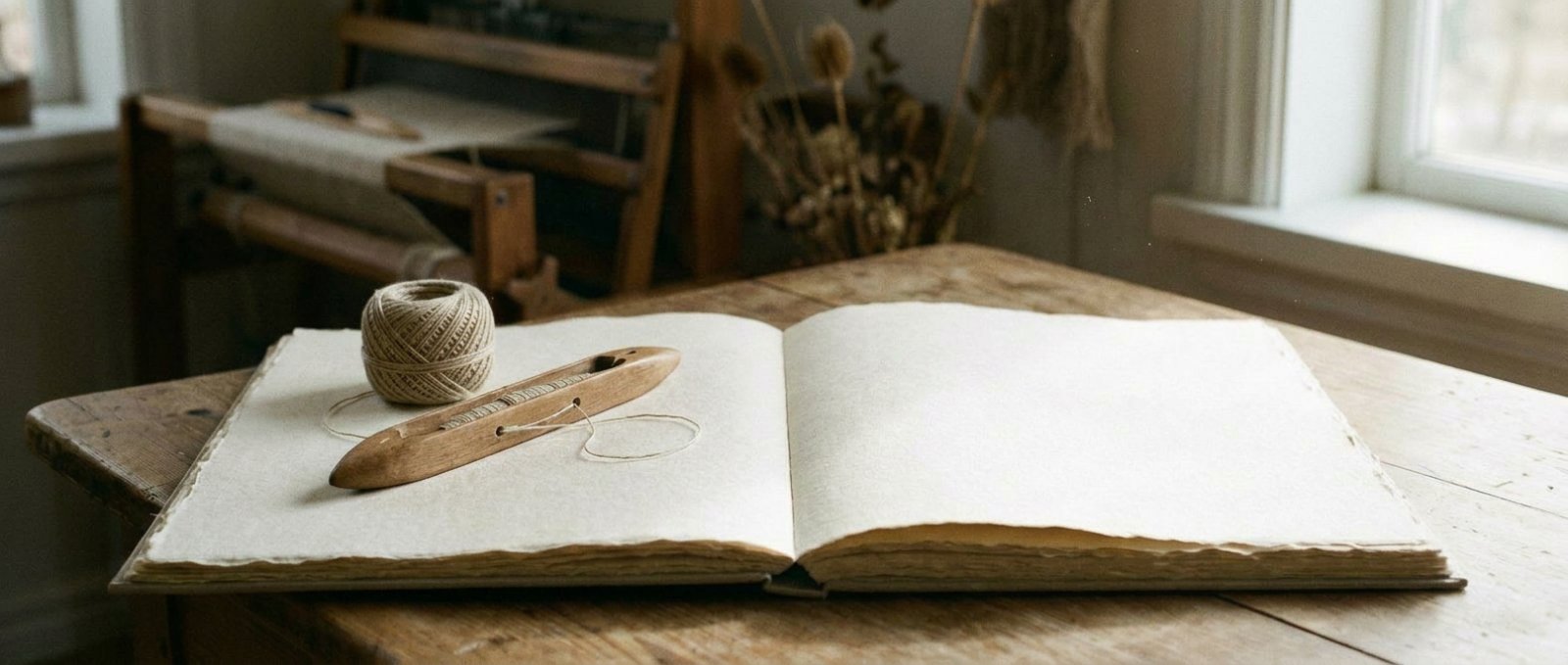
At GRAMMA, Slow Fashion isn’t a slogan — it’s the process itself. Every piece is made at our atelier in Pagondas, Samos, one by one, by hand — not on a mass production line. We use natural materials, mainly linen and rayon, that breathe and age beautifully over time, instead of synthetics that wear out quickly.
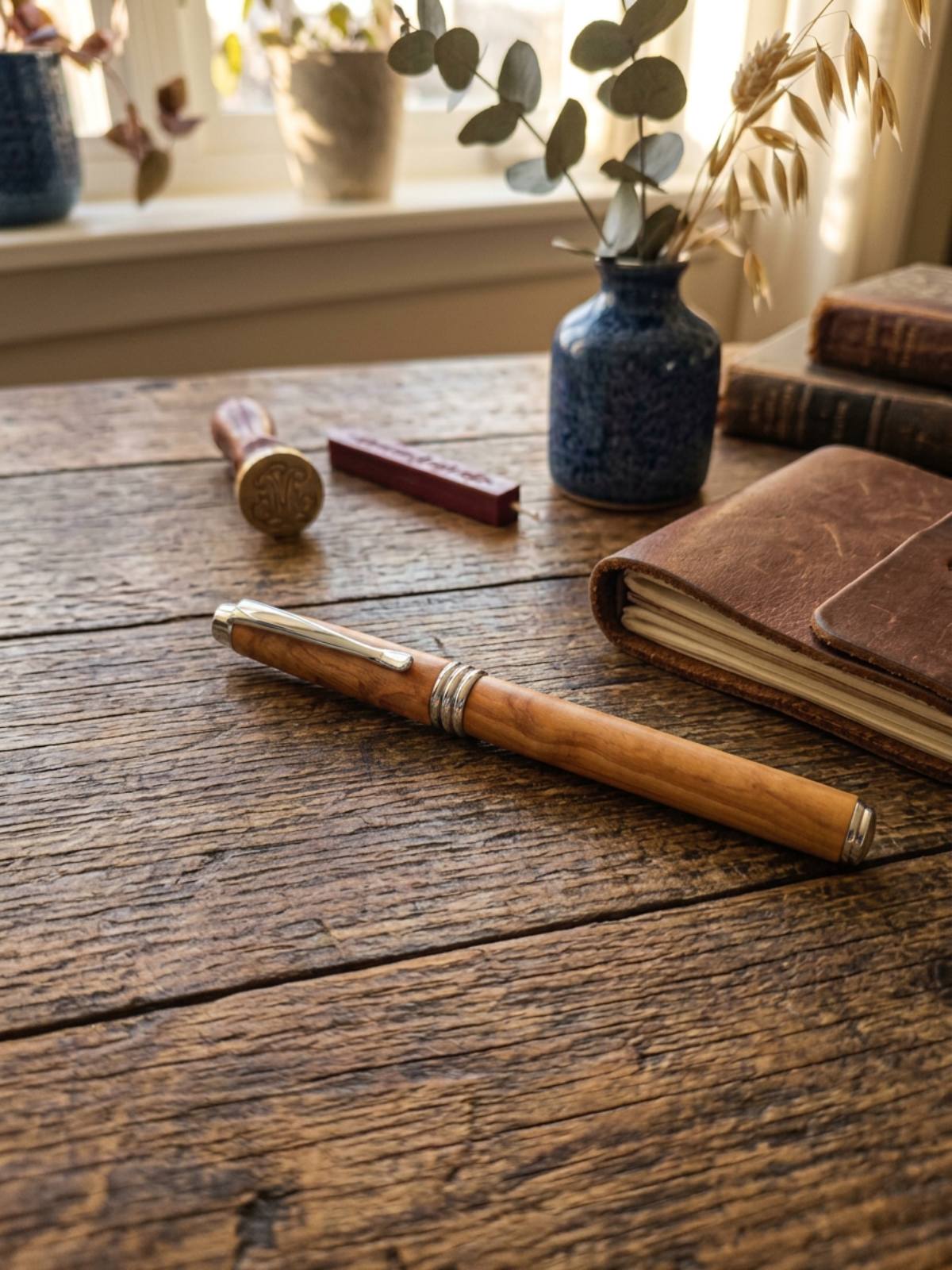
The same logic governs our handcrafted olive-wood objects — each piece carries the imprint of the years the tree spent growing, something no machine can replicate in a few minutes.
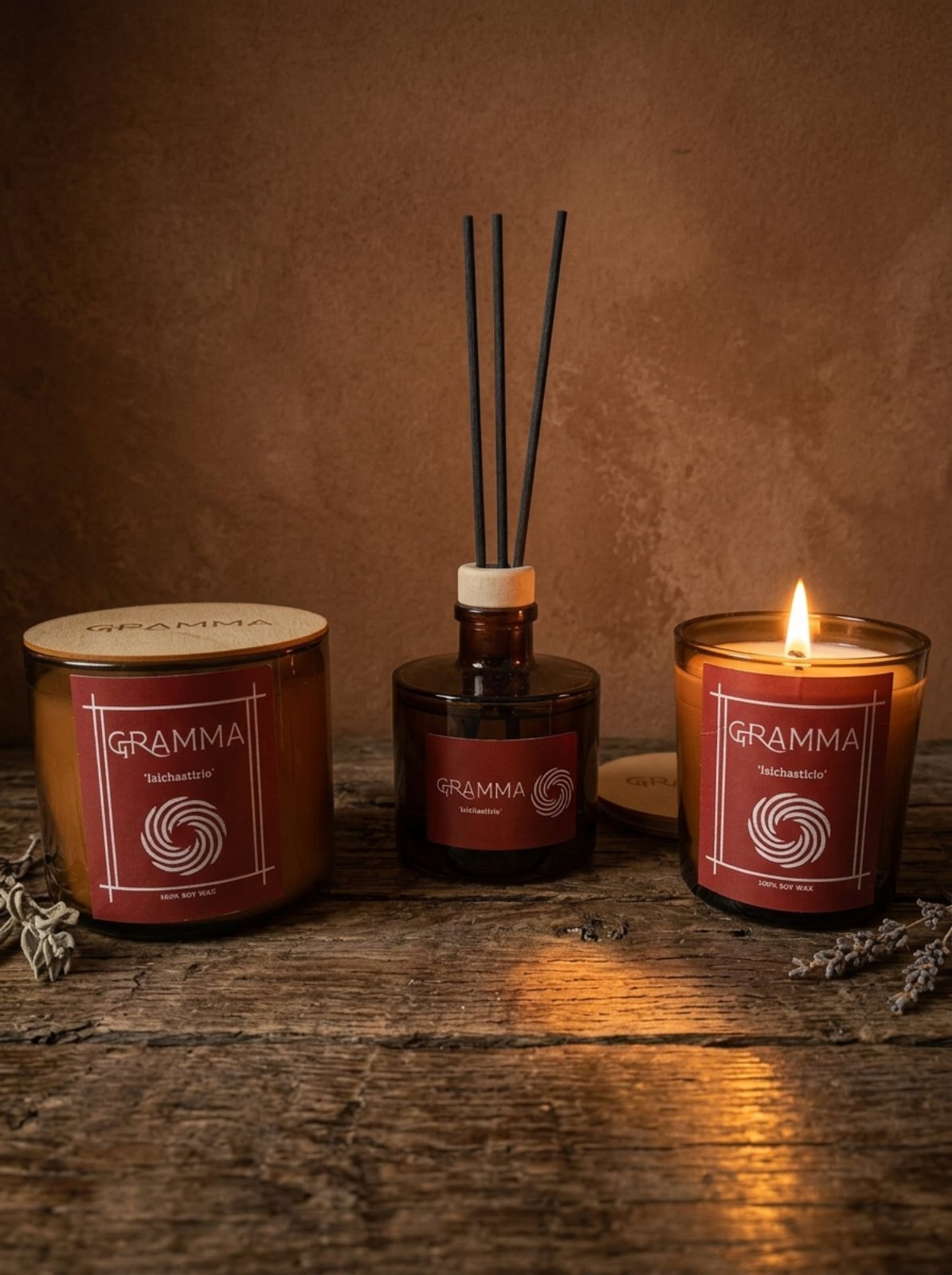
All GRAMMA objects are made in Greece, by small family businesses and ateliers — not on large production lines, not abroad. We know who makes each piece, with whose hands, in which workshop. We reject child labor and every form of exploitation; our production rests on people who are paid fairly for their work, not on invisible factories.
This isn’t a detail — it’s a precondition. Slow Fashion without transparency in production is just a beautiful word.
Slow Fashion, for us, doesn’t stop at clothing. It extends to how we treat the people, the animals, and the land around us. In our village, we live in coexistence with the animals around us, respecting the rhythm of nature. Even our packaging is chosen thoughtfully for its material, not just its look. And part of every payment you make becomes a donation for the planet, for people, and for animals.
When a garment is made slowly and by hand, it isn’t only the quality that changes — your relationship with it changes too. You know where it came from, who made it, why this fabric was chosen.
Many spiritual and philosophical traditions share a common belief: that the hand which makes an object leaves something on it that is invisible, yet real. An object made with love, with respect, with fair pay, carries that energy within it. An object made with pain, with exploitation, with haste, carries something too — an absence, a silence the customer may not name, but feels.
At GRAMMA, we believe this isn’t merely a poetic image. When the artisan who sewed your garment or shaped your cup is paid fairly, working at their own pace, without pressure, you’re not simply carrying an object — you’re carrying an act of respect, translated into matter. That’s why it matters so much to us who makes each piece, and under what conditions.
This knowledge is what turns a garment from a simple object of consumption into something you hold, wear, and feel with meaning — what we at GRAMMA call narrative fashion.
What is Slow Fashion?
Slow Fashion is a clothing philosophy that prioritizes quality, handmade construction, and natural materials, over fast, mass production.
What is the difference between Slow Fashion and Fast Fashion?
Fast fashion produces quickly and at scale, at low cost and with a short lifespan. Slow Fashion produces slowly, by hand, with natural materials that last over time.
Where are GRAMMA’s objects made?
All GRAMMA objects are made in Greece, by small family businesses and ateliers, without child labor or exploitation.
Why does GRAMMA follow Slow Fashion?
Because it believes every object should carry meaning and story, not just meet a need — and that is only achieved through slow, handmade creation and transparency in production.