

In a world that sheds its skin every season, one question remains: how do you create something with real roots? It was the question that occupied me when I began GRAMMA. For us, handmade craftsmanship and fashion is not a commercial activity. It is an answer to the ephemeral, and to the speed at which objects lose their value. I saw the dominance of the temporary around me, and the noise that covers every meaningful conversation. I wanted a return to the essence of making.
At GRAMMA, handmade craftsmanship and fashion means objects made slowly, by hand, from natural materials, with knowledge of where they come from and respect for whoever makes them. It does not mean we reject the contemporary. It means we do not create without roots.
An object has roots when you know where it came from. From which material, from which hands, in which place, within which time. These four answers set it apart from a product that is made and disappears within a season.
When you begin a House rather than a brand, you need something that does not change with the seasons. GRAMMA’s Pillars are three ideas that stay constant:
The Pillars are not products. They are the ground on which every Chapter, every collection of ours, is built. Chapters have their own voice and their own story. The Pillars hold them all.
In practice, you can see this in every piece. Narrative fashion tells us a garment must carry a story. Storytelling tells us that story must be written down, and we write it in the Journal and in our books. Slow fashion tells us the story needs time to be told properly.
Searching for the first Chapter, I asked myself: what are we missing today? What have we lost in the speed of life? The answer came as a whisper, but it was clear. We are missing the pause. We are missing room to listen to ourselves.
Craftsmanship does not exist without time for an idea to ripen, without the calm that the choice and handling of materials demand. Before we spoke of art, of materials, of journeys, we had to secure the condition for all of them: breath.
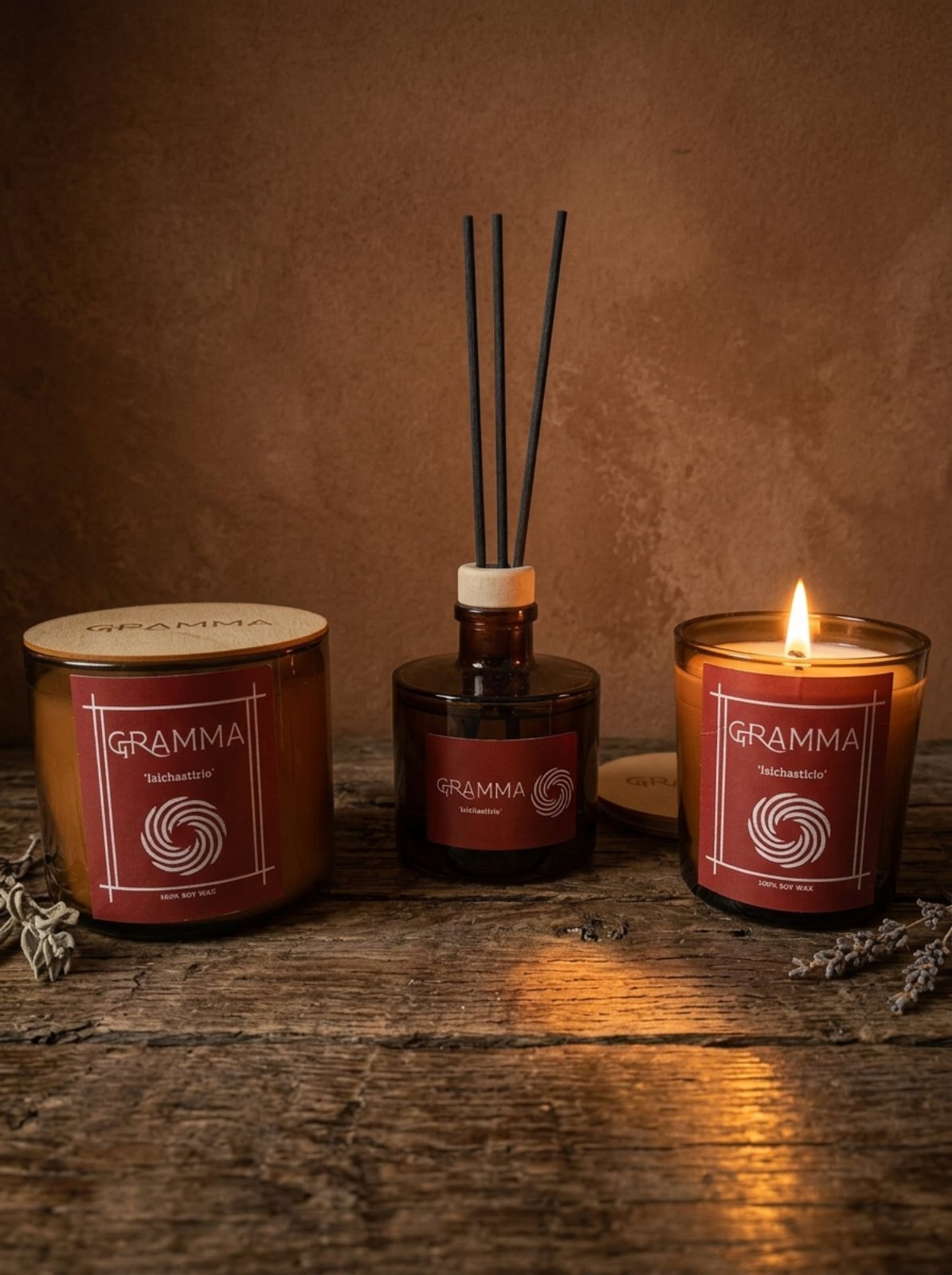
That is how the Isichastirio was born, our first Chapter. In our atelier in Samos, the Isichastirio is the space where making takes form, far from noise and haste. Garments that flow, candles for the pause, ceramics that ground: everything speaks the language of quiet.
The Isichastirio is not only a place. It is a state. To understand how we think about quiet luxury, read the related article in our Journal.
I asked the stone how it finds peace.
It told me: “I stay still.”
I asked the olive root how it endures.
It told me: “I go deep into the darkness.”
The Isichastirio is not built with walls.
It is built when you decide to become
stone and root
within the vortex of the weather.
This dedication sets craftsmanship apart from mass production. It is the time invested in every object that bears our signature. It is the hours Evangelia Grammatiki devotes to a single detail, an embroidery or a drawing, in search of simplicity.
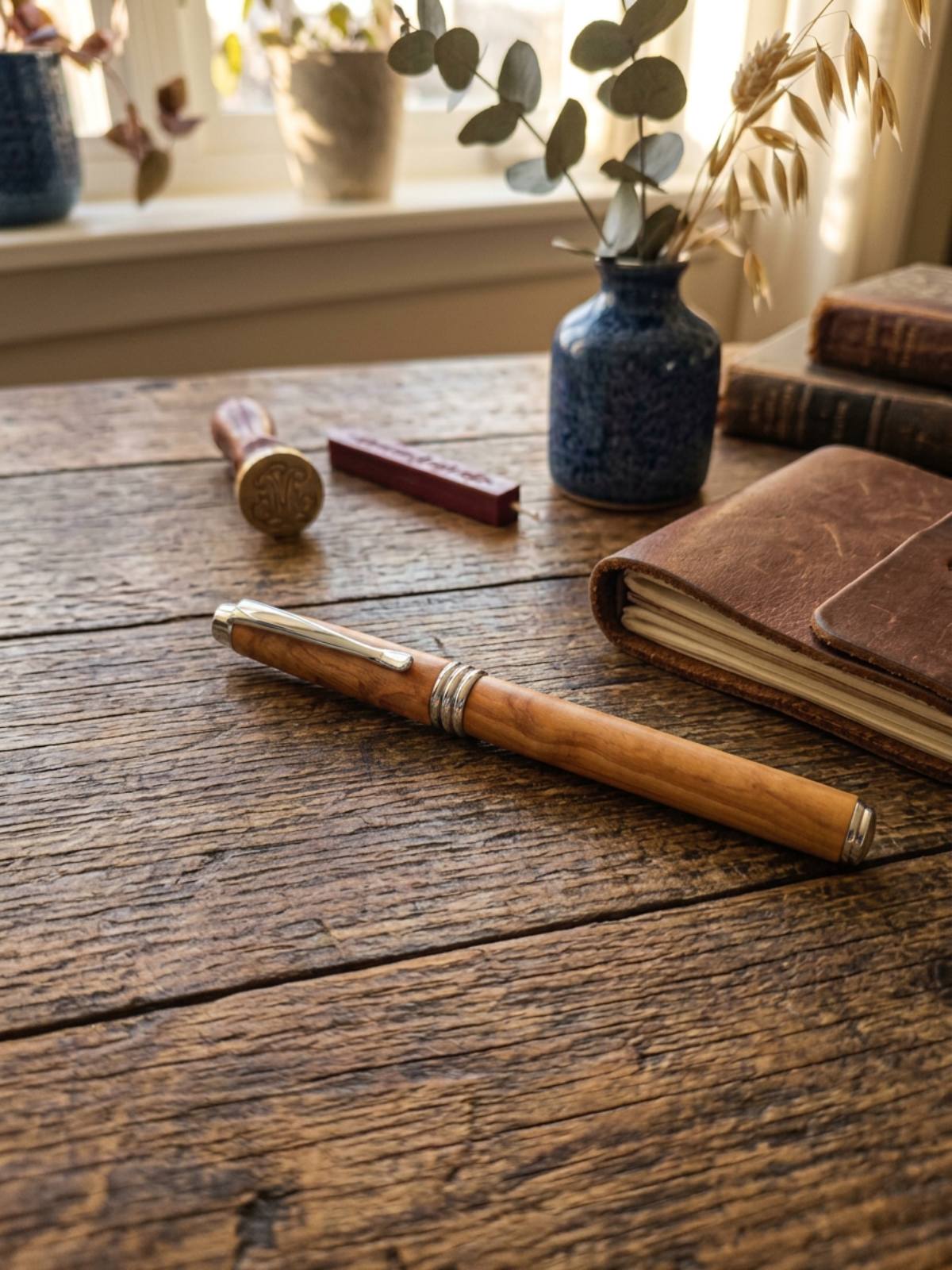
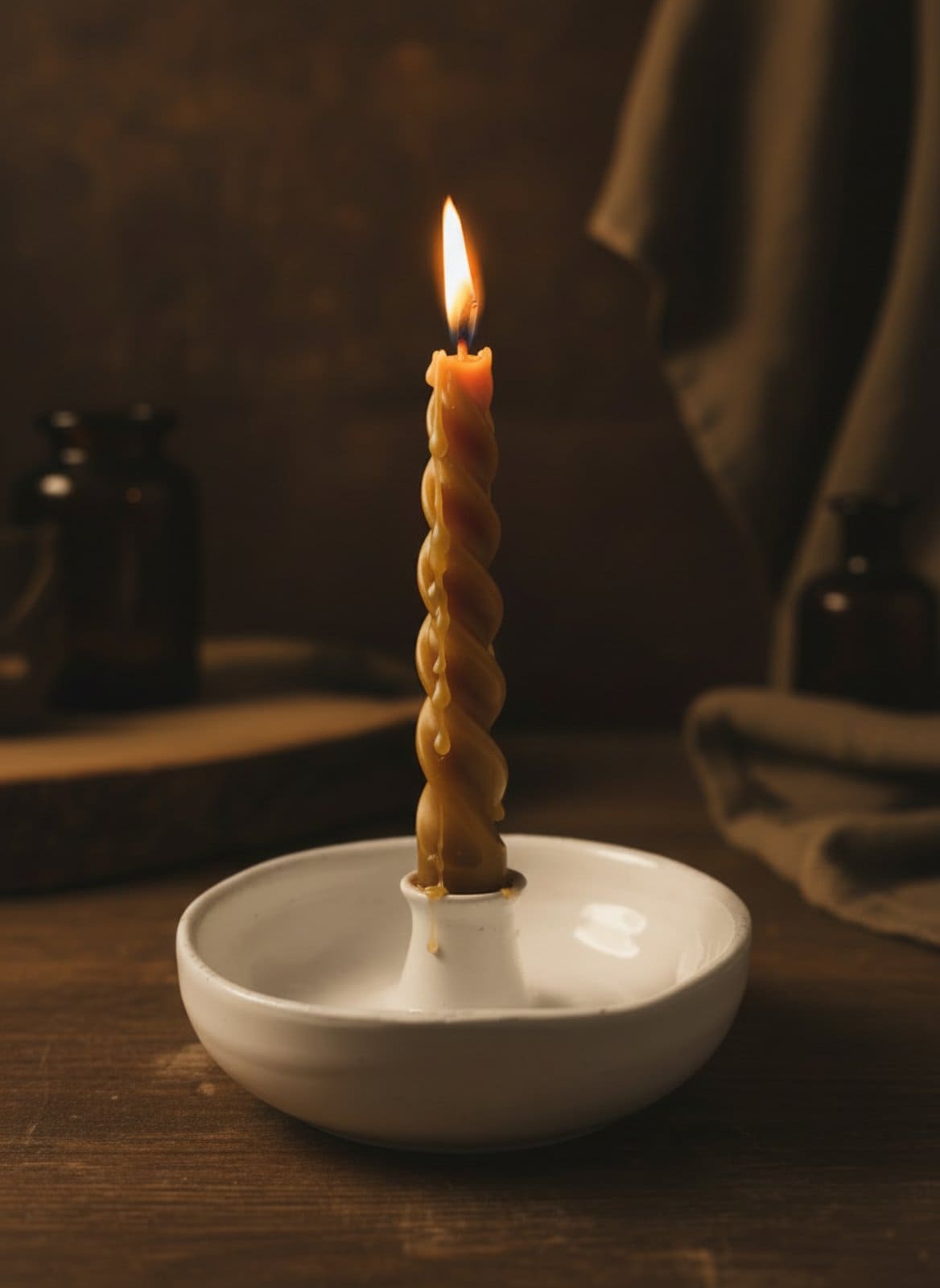
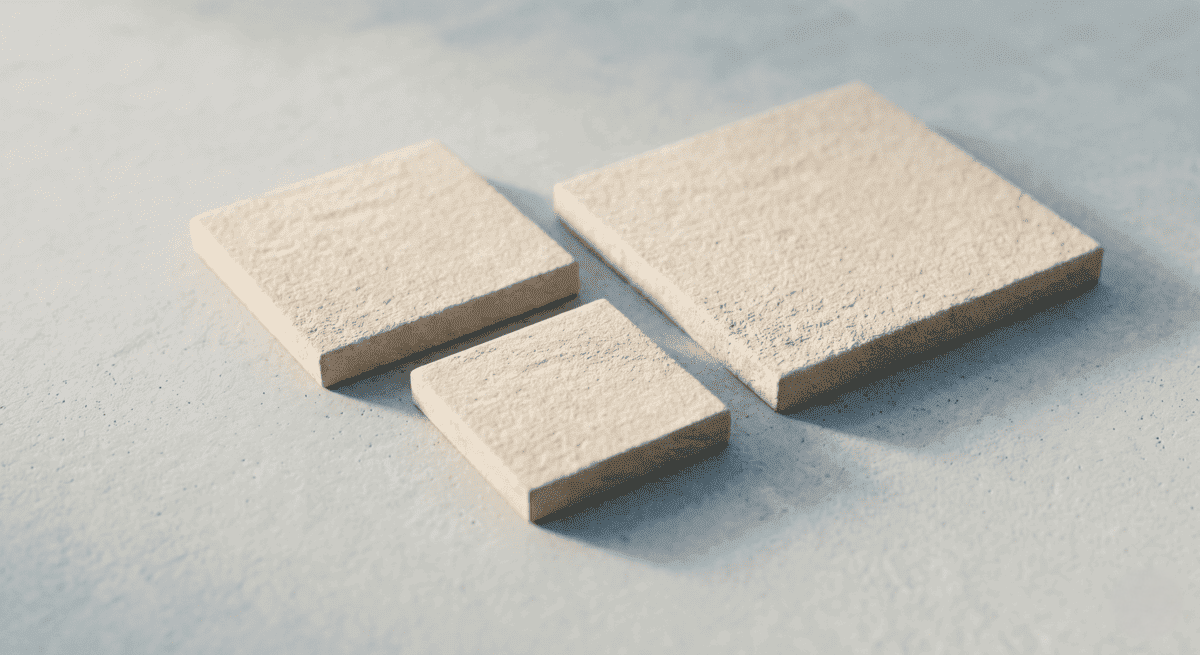
The grounding of the Isichastirio lives in its materials. Linen and rayon that breathe. Clay that keeps the imprint of the hand. Olive wood that carries the years the tree spent growing. Blown glass that borrows the breath of the artisan. Wax that accompanies the pause.
Each of these materials has weight, temperature and texture. We do not describe how they look. We invite you to touch them. The small variations made by hand, a faint difference in texture or shape, are not flaws. They are the artisan’s signature, and part of the beauty of imperfection.
Every object begins at the atelier in Pagondas, from an idea and a drawing. Then it travels through the hands of people who know their material. GRAMMA’s objects are made in Greece, in small family workshops and ateliers, and we know who makes each piece. We reject child labor and every form of exploitation.
This path is slow, and for that reason transparent. You can ask about it, see it, read it. That is the difference from mass production: there, the object arrives without a story. Here, the story begins before the object.
We create in Samos, and this strengthens the Chapter. The quiet of the island and the contact with the earth teach patience every day. The place is not a backdrop. It is part of the work.
Handmade craftsmanship and fashion at GRAMMA is an invitation to slow down, to touch the fabric, to feel the material and to appreciate the effort behind every creation. We believe true luxury lives in the connection with the object, in knowing its origin, and in respect for its maker.
Each time you choose a piece from our House, you are not simply acquiring a product. You become part of this Isichastirio. You support creation that respects people and the environment. It is an act of resistance to the ephemeral.
For us, making with roots means creating without an expiration date. When we work on a new Chapter, we always keep our Pillars in mind. That way every new design, every new fabric and every new expression stands on firm ground.
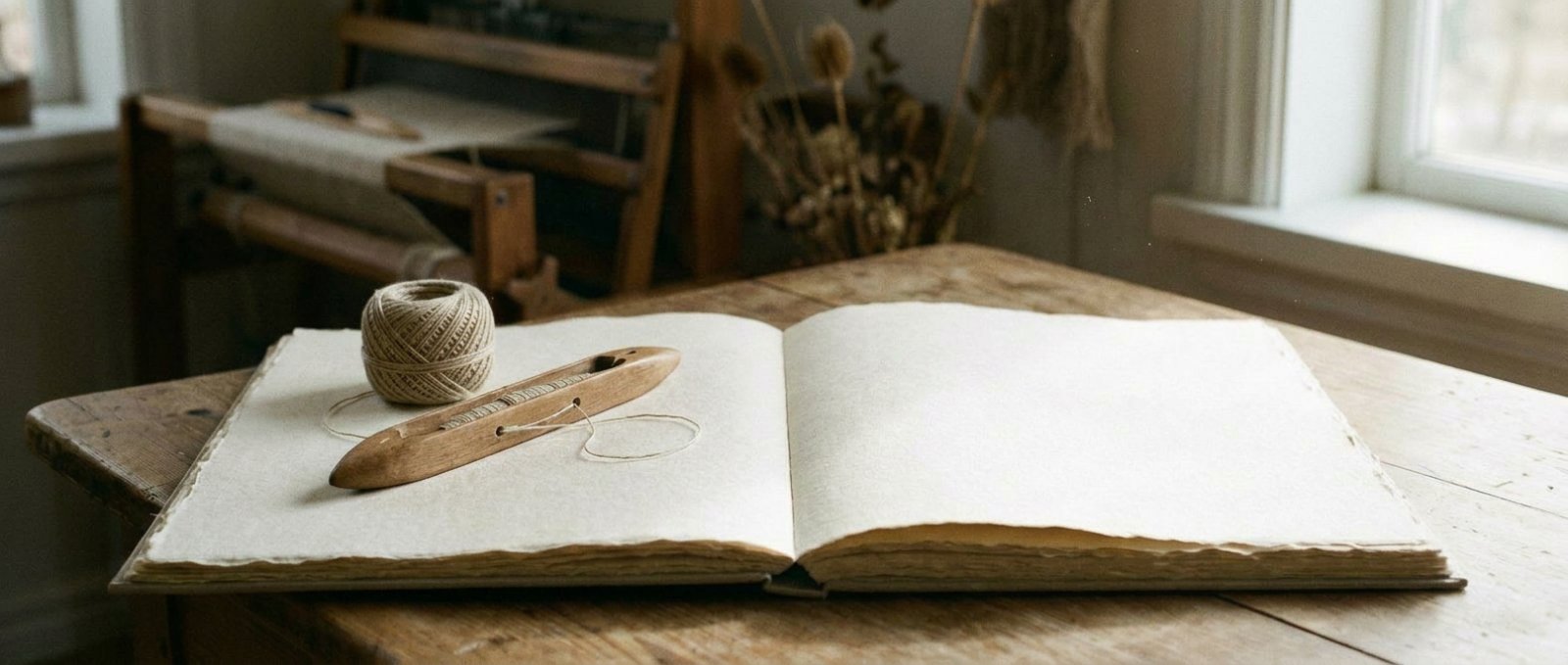
We are not afraid of the silence of the blank page. We welcome it as the condition of true art. Handmade craftsmanship and fashion at GRAMMA is a dialogue between the traditional and the contemporary, between the steadiness of stone and the flexibility of the root.
Until the next Chapter, we invite you to find your own Isichastirio. A place where handmade craftsmanship and fashion meet your own story. At GRAMMA, nothing ages when it is rooted deep in the earth and in calm. We create objects that do not follow fashion, but write their own story.
This is GRAMMA.
What does handmade craftsmanship and fashion mean at GRAMMA?
Objects made slowly, by hand, from natural materials, with knowledge of their origin and respect for people and the environment.
What is GRAMMA’s first Chapter?
The Isichastirio. It was born from the need for a pause and includes flowing garments, candles and ceramics.
What are GRAMMA’s Pillars?
Three constant ideas, narrative fashion, storytelling and slow fashion, that support every Chapter.
What is the difference between a Chapter and a Pillar?
A Chapter is a collection with its own voice and story. A Pillar is an idea that stays constant and supports all Chapters.
How does the Isichastirio relate to craftsmanship?
The Isichastirio sets the rhythm: without a pause there is no craftsmanship, because the hand needs time. That is why our first Chapter is about quiet before any other subject.
Where are GRAMMA’s objects made?
In Greece, in small family workshops and ateliers. Design takes place at the House’s atelier in Pagondas, Samos.